The Magic of CBT with Kids (And Why It Works So Well)

When parents hear “CBT” (Cognitive Behavioral Therapy), they often
picture worksheets, deep conversations, and a child sitting still talking
about their thoughts.
And if you’re a parent, you might be thinking:
“Yeah... that’s not my kid.”
Here’s the truth:
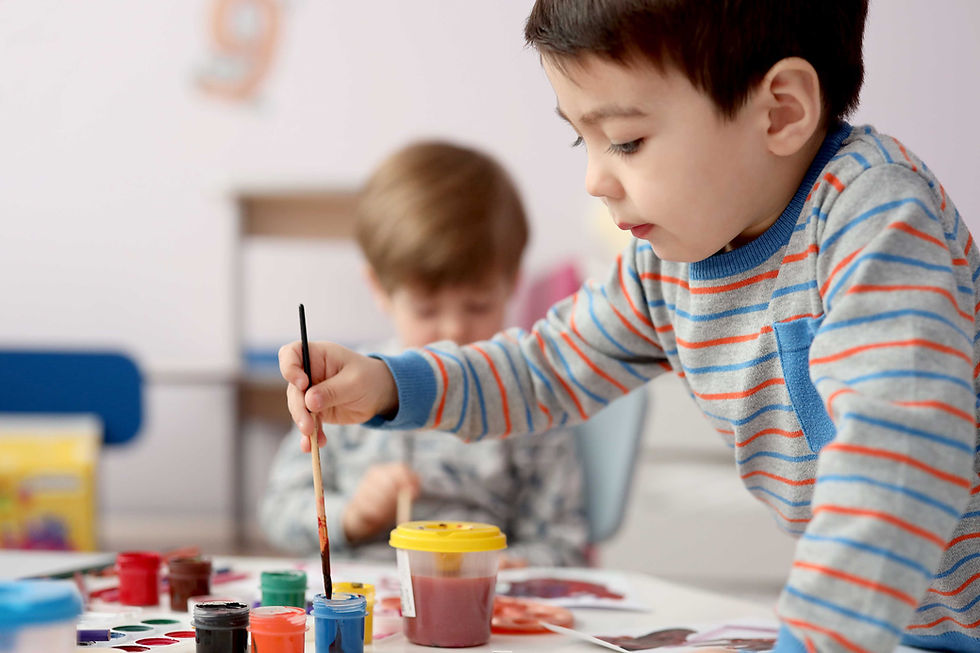
CBT with kids doesn’t look like adult therapy—it looks like play,
creativity, and real-life problem solving.
And when it’s done well? It can feel a little bit like magic.
What Is CBT (In Kid-Friendly Terms)?
Cognitive Behavioral Therapy helps kids understand the connection
between:
● Thoughts
● Feelings
● Behaviors
In simple terms:
👉 “What I think affects how I feel”
👉 “How I feel affects what I do”
For kids, we don’t just talk about this—we show them in ways they can
actually understand.
Why CBT Works So Well for Kids
Kids are constantly learning patterns.
If a child thinks:
“I’m bad at this”
They might feel anxious → avoid trying → fall behind → reinforce the belief.
CBT gently interrupts that cycle and teaches:
● New ways of thinking
● New ways of responding
● New ways of building confidence
It gives kids tools they can actually use in real life, not just in a therapy
room.
The “Magic” Part of CBT
The magic isn’t in complicated techniques—it’s in helping kids realize:
✨ “My thoughts aren’t always facts.”
✨ “I can handle hard things.”
✨ “I have more control than I thought.”
That shift? That’s everything.
What CBT Looks Like with Kids (Spoiler: It’s Not Boring)
CBT with kids should feel engaging—not clinical.
Depending on the child, it might look like:
● Drawing their “worry monster”
● Using characters or toys to act out situations
● Creating “thought detectives” to challenge unhelpful thoughts
● Playing games that teach coping skills
● Practicing real-life scenarios in a safe space
For younger kids especially, CBT is often blended with play therapy and
art therapy—because kids communicate through play, not lectures.
Common Skills Kids Learn in CBT
CBT gives kids a toolbox they can carry with them into school, friendships,
and everyday life.
Some of those tools include:
1. Naming Thoughts
Helping kids recognize what’s going on in their mind.
Instead of:
“I’m just upset”
They learn:
“I’m thinking something scary or frustrating.”
2. Challenging “Tricky Thoughts”
Kids learn to question thoughts like:
● “Everyone hates me”
● “I’m going to fail”
● “I can’t do this”
And replace them with something more balanced:
● “This is hard, but I can try”
● “I’ve done things like this before”
3. Coping Skills That Actually Work
Not just “take a deep breath” (though we love a good breath).
But also:
● Movement-based regulation
● Sensory strategies
● Problem-solving skills
● Ways to ask for help
4. Building Confidence Through Action
CBT doesn’t stop at thoughts—it helps kids do things differently.
Because confidence doesn’t come from thinking positive thoughts...
It comes from having experiences where they succeed, even a little bit.
What CBT Helps With
CBT is especially helpful for kids who struggle with:
● Anxiety
● Perfectionism
● Big emotional reactions
● Low self-confidence
● School stress
● Social challenges
It’s structured enough to create change, but flexible enough to meet kids
where they are.
A Quick Reality Check for Parents
CBT isn’t about “fixing” your child.
It’s about helping them:
● Understand themselves
● Feel more in control
● Build skills they’ll use for life
And just like anything meaningful, it takes time, practice, and support.
Why the Relationship Still Matters Most
Even the best CBT techniques won’t land if a child doesn’t feel safe.
That’s why at Creative Counseling Colorado, CBT is never just
worksheets and strategies—it’s paired with:
● Connection
● Play
● Creativity
● A strong, trusting relationship
Because kids learn best when they feel seen, safe, and supported.
Final Thoughts
The magic of CBT isn’t that it changes kids overnight.
It’s that it gives them the tools to understand their thoughts, manage their feelings, and face challenges with more confidence.
And over time, those small shifts turn into big changes.
Looking for Support?
At Creative Counseling Colorado, we use developmentally appropriate
CBT—blended with art and play—to help kids, tweens, and teens build
real, lasting skills.
If your child is struggling with anxiety, confidence, or big emotions, you
don’t have to navigate it alone.


Comments